8 Apr 2026
Powering Circular Performance: Retailers and Suppliers Driving the Transition Together
IN THE NEWS
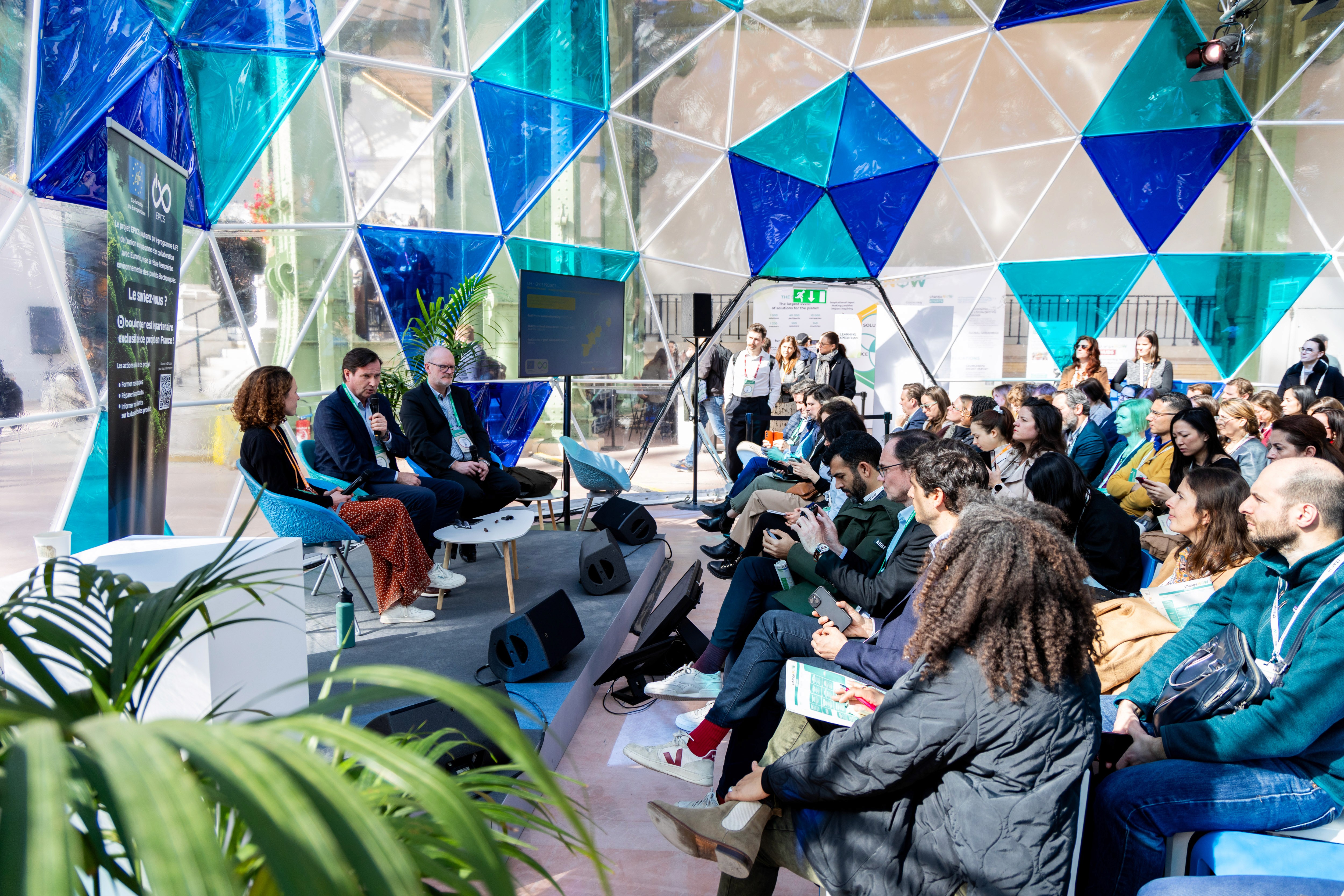
At ChangeNOW 2026, Project Life EPICS took part in a dedicated roundtable exploring one key question: how can collaboration between retailers and suppliers truly accelerate the circular economy?
Titled “Driving Circular Performance: How Retailers and Suppliers Power the Transition Together”, the 45‑minute session brought together leaders from retail and manufacturing to move beyond theory and discuss how partnership can unlock real, scalable impact.
From transactional relationships to true partnership
For decades, retailer–supplier relationships have largely been transactional, often shaped by tension around margins and negotiations. Today, rising resource constraints, climate urgency and regulatory pressure show the limits of that model.
The circular economy highlights a clear reality: retailers and suppliers are deeply interdependent. Achieving meaningful progress requires cooperation, trust and shared objectives — not siloed initiatives.
This session focused on how collaboration can move sustainability from ambition to performance, shifting the conversation from “doing less harm” to creating value through circular business models.
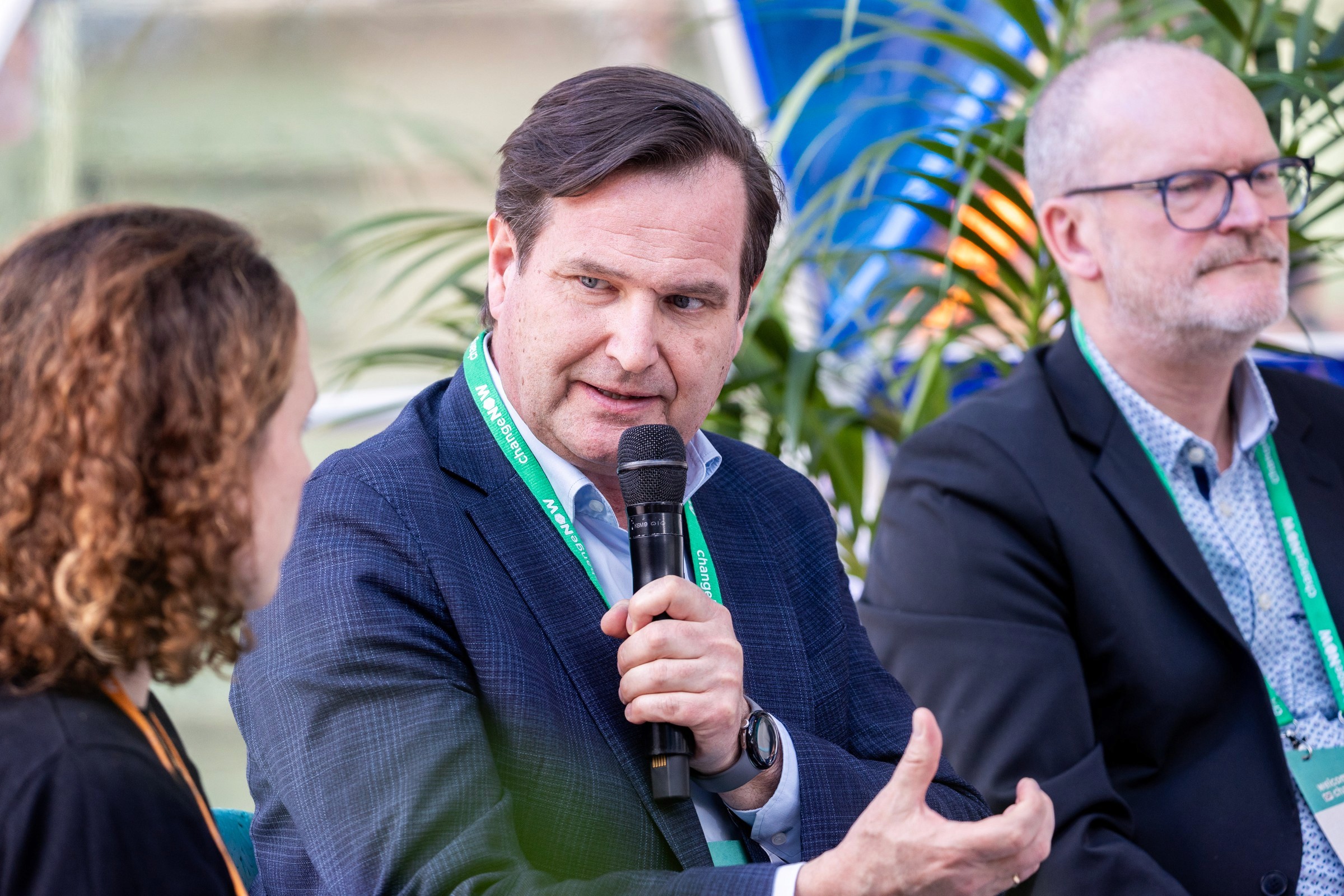
A multi‑stakeholder discussion
The roundtable featured contributions from:
Gaetane Lemarchand (Boulanger), opening the discussion by framing the strategic imperative of retailer–supplier alignment in the face of climate and resource challenges.
Bruno Vermoesen (BSH Home Appliances Group), sharing practical insights on embedding sustainability into joint business planning, with a focus on eco‑design and refurbishment.
John Olsen (Euronics International), presenting the vision behind Project Life EPICS and explaining why systemic change requires industry‑wide collaboration rather than isolated actions.
Together, the speakers explored how trust‑based cooperation can accelerate circular initiatives, overcome operational barriers and scale solutions across markets.
Scaling impact beyond individual initiatives
A key part of the discussion focused on scale. While bilateral partnerships are essential, the session highlighted the limits of one‑to‑one collaboration when facing Europe‑wide challenges.
Project Life EPICS was presented as an example of how a multi‑stakeholder coalition can drive harmonisation, influence policy and help align the industry on shared frameworks — including consumer information tools such as a methodology under development for presenting product information on repairability, recyclability, energy efficiency and other relevant characteristics.
The session concluded with insights from a multinational consumer study, underlining the importance of clear, credible sustainability information and the ongoing challenge of balancing simplicity and accuracy in environmental labeling.
Collaboration as a catalyst for circular performance
The takeaway from ChangeNOW was clear: the transition to a circular economy will not be achieved through isolated efforts. Retailers, manufacturers and industry stakeholders must work hand in hand to design products differently, extend lifecycles and create circular business models that support product-life extension and commercial viability
Through platforms like Life EPICS, collaboration becomes not just a principle, but a practical driver of change.